E-Waste Pickup Services: Optimizing Your Recycling Efforts for a Sustainable Future
Electronic waste pickup solutions are revolutionizing the way individuals and organizations handle recycling. These solutions streamline the disposal process while maintaining environmental compliance. They not only reduce the burden of transporting large electronic items but also contribute to sustainable practices. As growing numbers of consumers pursue environmentally responsible options, grasping the details of these services is increasingly important. What elements should individuals evaluate when selecting an e-waste collection service? The response might catch you off guard.
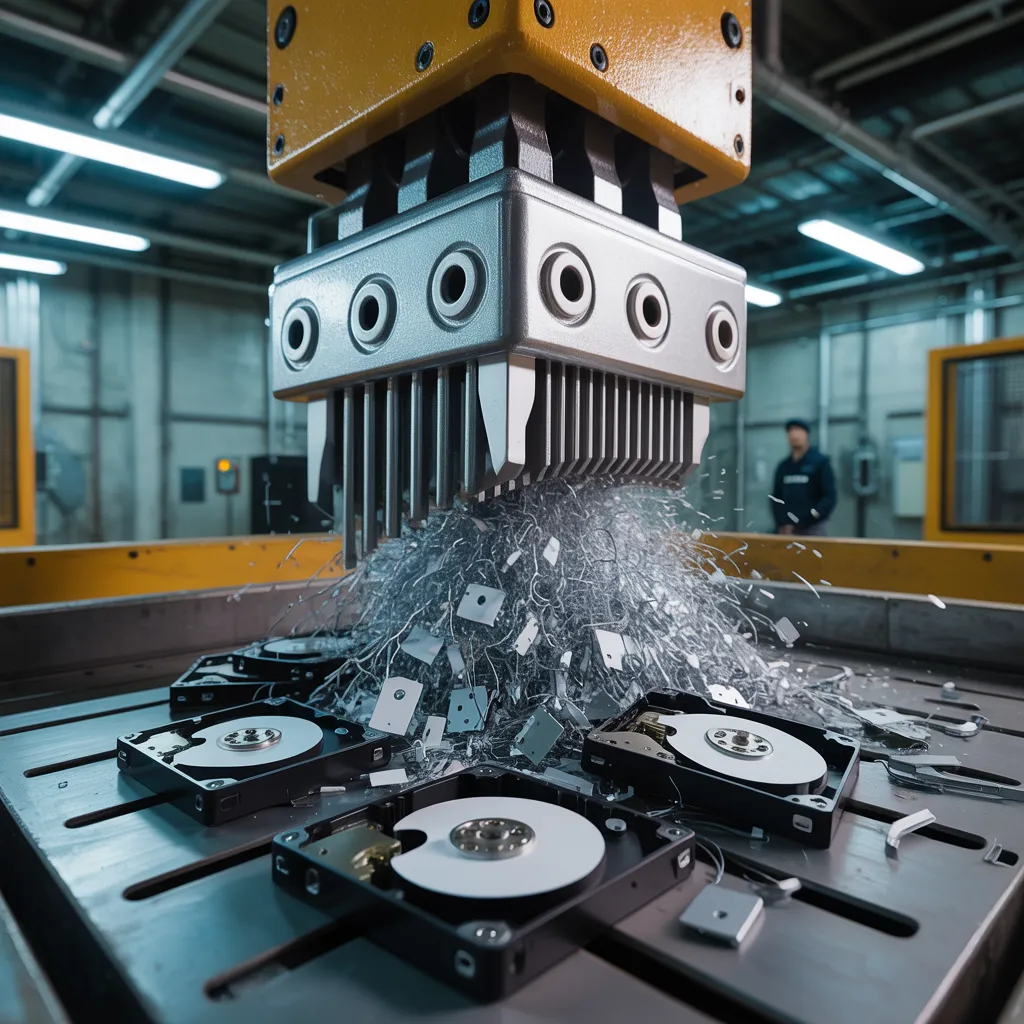
How E-Waste Pickup Minimizes Environmental Impact
E-waste collection services serve a critical role in lessening the environmental consequences of unwanted electronic devices, as they enable the proper disposal and recycling of harmful materials. These initiatives work to prevent harmful substances, such as mercury, lead, and cadmium, from tainting soil and water supplies. By systematically gathering and transporting electronic waste, they ensure that dangerous components are managed in accordance with environmental regulations.
Furthermore, e-waste collection programs facilitate resource recovery by channeling important materials, including silver, copper, and gold, back into the manufacturing process. This minimizes the demand for newly extracted raw materials, thereby preserving natural resources and reducing energy expenditure associated with mining and processing.
Additionally, these programs boost general awareness about the value of responsible e-waste processing, prompting individuals and businesses to engage in sustainable practices. On the whole, e-waste removal services substantially promote a healthier, cleaner environment by addressing the issues associated with electronic waste.
Benefits of Using E-Waste Pickup Services
E-waste collection services provide considerable benefits for individuals and businesses alike. Such services deliver flexible collection solutions, ensuring the removal of obsolete electronics is stress-free. Moreover, they provide sustainable disposal solutions, helping to reduce environmental harm associated with electronic waste.
Flexible Collection Methods
As individuals and businesses aim to responsibly dispose of electronic waste, leveraging pickup services delivers an effortless option. These services provide convenient collection options that fit various schedules and needs. Customers frequently have access to flexible pickup windows that serve both residential and commercial properties. This does away with the necessity of moving cumbersome equipment to drop-off centers, conserving significant time and resources. Additionally, many e-waste pickup providers offer same-day or scheduled appointments, enhancing accessibility. By streamlining the collection process, these services encourage more people to recycle their electronic devices, ultimately reducing the environmental impact of e-waste. The convenience of arranging and completing pickups fosters responsible waste management, positioning it as a sensible solution for those committed to building a cleaner environment.
Sustainable Disposal Practices
Utilizing electronic waste collection services confirms that electronic items are disposed of in an environmentally responsible manner. These providers focus on processing multiple categories of electronic waste, making certain that harmful substances, including lead and mercury never reach landfills. By partnering with certified recyclers, e-waste pickup services aid in resource conservation through the recovery of valuable materials, reducing the need for new raw materials. Additionally, such services frequently adhere to local and international regulations, encouraging sustainable operations. Companies and individuals benefit from the convenience of scheduled pickups, relieving the difficulty of hauling oversized equipment. Ultimately, adopting environmentally responsible disposal through e-waste collection services builds a foundation of sustainable thinking, promoting conscientious consumer habits and minimizing ecological impact.
What Are the Expectations for E-Waste Pickup?
What should one anticipate during an e-waste pickup? Participants can expect a simplified procedure created to support See more the responsible recycling of electronic devices. Initially, a scheduled appointment will be confirmed, allowing for convenient planning. On the pickup day, a team will arrive equipped to handle various electronic items, ensuring safe transport and minimal hassle.
Users should prepare their e-waste by organizing the items requiring collection, as this can expedite the collection process. The pickup team might give direction on what can and cannot be accepted. Safety measures are often in place, including protective gear and proper handling techniques for potentially harmful items.
In addition, transparency is key; clients are often given a confirmation or receipt of the devices collected, reinforcing the dedication to proper disposal. All in all, the e-waste collection service seeks to streamline the electronics recycling journey while championing green and responsible practices.
Key Criteria for Selecting an E-Waste Pickup Service
What steps can someone take to ensure they select the best e-waste pickup service? Picking a suitable service necessitates a thoughtful review of several essential elements. First, it is vital to verify the service's certifications and compliance with local and national environmental regulations. This confirms that e-waste is processed in full compliance with legal and environmental guidelines. Next, one should assess the company's reputation through customer reviews and testimonials, providing insight into their reliability and professionalism.
Moreover, reviewing the scope of services offered can be worthwhile; a thorough service may include data destruction, recycling, and refurbishment options. Additionally, openness in pricing is crucial; transparent, upfront pricing helps prevent surprise charges. Ultimately, evaluate the organization's responsiveness and customer support, as open communication promotes a more efficient pickup encounter. By emphasizing these considerations, individuals and businesses can confidently select an e-waste pickup service that aligns with their sustainability goals.
How to Schedule Your E-Waste Pickup?
When is the best time to schedule an e-waste pickup? The timing of your pickup can significantly affect the efficiency of the recycling process. For best results, people should look into scheduling pickups on weekdays when service providers tend to have greater availability. Early mornings or late afternoons may also be ideal, as these times typically experience less traffic, allowing for quicker service.
Furthermore, planning ahead is essential. Individuals should try to arrange pickups several days beforehand, especially during peak seasons or community recycling events. This guarantees that the chosen service can accommodate specific needs and preferences.
Moreover, synchronizing the pickup with routine home tasks or organization activities can simplify the process. By coordinating the e-waste collection with personal schedules, residents can create a more seamless and practical recycling experience. In the end, mindful coordination promotes a more streamlined electronic waste recycling process, encouraging a commitment to environmental sustainability.
What Does the Future Hold for E-Waste Recycling?
As the e-waste crisis continues to grow, future technologies in recycling are poised to transform the industry. Anticipated policy changes may further enhance recycling efforts, while innovative collection methods promise to make e-waste disposal more accessible. Collectively, these changes stand to considerably enhance the productivity and success of e-waste recycling efforts.
Future Technologies in Recycling
Breakthroughs in technology are poised to revolutionize e-waste recycling, boosting sustainability and efficiency. Sophisticated robotic systems and automated sorting technologies are increasingly being integrated into recycling facilities, enabling the exact extraction of valuable materials from electronic waste. Artificial intelligence (AI) plays a critical role in streamlining these operations, facilitating real-time decision-making and enhancing recovery rates. Furthermore, pioneering techniques such as biotechnological methods and hydrometallurgy are designed to isolate rare metals with reduced ecological consequences. Distributed copyright technology has also been considered for monitoring electronic waste across the recycling process, ensuring transparency and accountability. As these developments progress, they will markedly reduce the carbon footprint of e-waste disposal, paving the way for a more environmentally responsible future in e-waste management.
Policy Changes Ahead
Lawmakers are preparing to introduce significant policy changes intended to strengthen electronic waste recycling efforts. These initiatives are designed to address the escalating issues associated with electronic waste and its environmental impact. Proposed regulations include tighter standards for electronics makers related to overseeing product end-of-life processes, motivating them to create recyclable products. Moreover, benefits for end users to bring back used devices are being evaluated, fostering a culture of responsible disposal. Governments may also increase funding for recycling programs, working to enhance availability and productivity in e-waste collection. Through encouraging openness and responsibility in the recycling process, policymakers hope to reduce landfill contributions and strengthen the retrieval of valuable resources, thus establishing a more environmentally responsible framework to electronic waste management in the future.
Creative Collection Approaches
Revolutionizing electronic waste collection approaches is essential for boosting the efficiency and accessibility of recycling. Emerging technologies, such as digital platforms, enable scheduled collections, enabling consumers to plan collection at their convenience. Moreover, partnerships with local businesses and community centers provide specific collection locations, increasing the convenience of recycling. Advanced bins integrated with detection systems can assess storage capacity, securing efficient collection and streamlining logistics. Beyond that, incentive-driven methods motivate engagement by offering incentives to people and communities who recycle. These developments not only optimize the retrieval workflow but also raise awareness about the importance of responsible e-waste disposal. As these advanced techniques grow in popularity, they promise a more sustainable future for e-waste recycling, ultimately contributing to a greener planet.
Common Questions and Answers
What Types of E-Waste Are Accepted for Pickup?
E-waste pickup services generally collect items including outdated computers, TVs, smartphones, tablets, printers, and assorted electronic accessories. These services aim to responsibly recycle and dispose of electronic devices in an eco-conscious way.
Are There Fees Involved With E-Waste Pickup Services?
Charges for e-scrap collection programs are subject to change depending on geographic region and the kind of electronic devices being collected. A number of companies may offer free pickups, while other providers may apply charges based on the quantity or particular electronics.
How Is Data Security Maintained During E-Waste Disposal?
Data safety during electronic waste disposal is secured through processes like thorough data sanitization, physical elimination of storage hardware, and accreditation from trusted recyclers, protecting confidential information and blocking unauthorized access to private and business data.
Are E-Waste Pickup Services Available for Businesses?
Indeed, organizations are able to take advantage of electronic waste collection services. Such services are tailored to meet the needs of organizations, providing efficient collection and recycling of electronic equipment while supporting environmental sustainability and compliance with regulations regarding safe e-waste management practices.
What Happens to E-Waste After It's Picked Up?
Once e-waste has been collected, it goes through a sorting process for recyclable materials, followed by disassembly and processing. Dangerous components are carefully and safely disposed of, while reusable metals and plastics are processed and repurposed, supporting sustainable resource management initiatives.